
Complete Ophthalmic Equipment Checklist for Setting Up an Eye Clinic
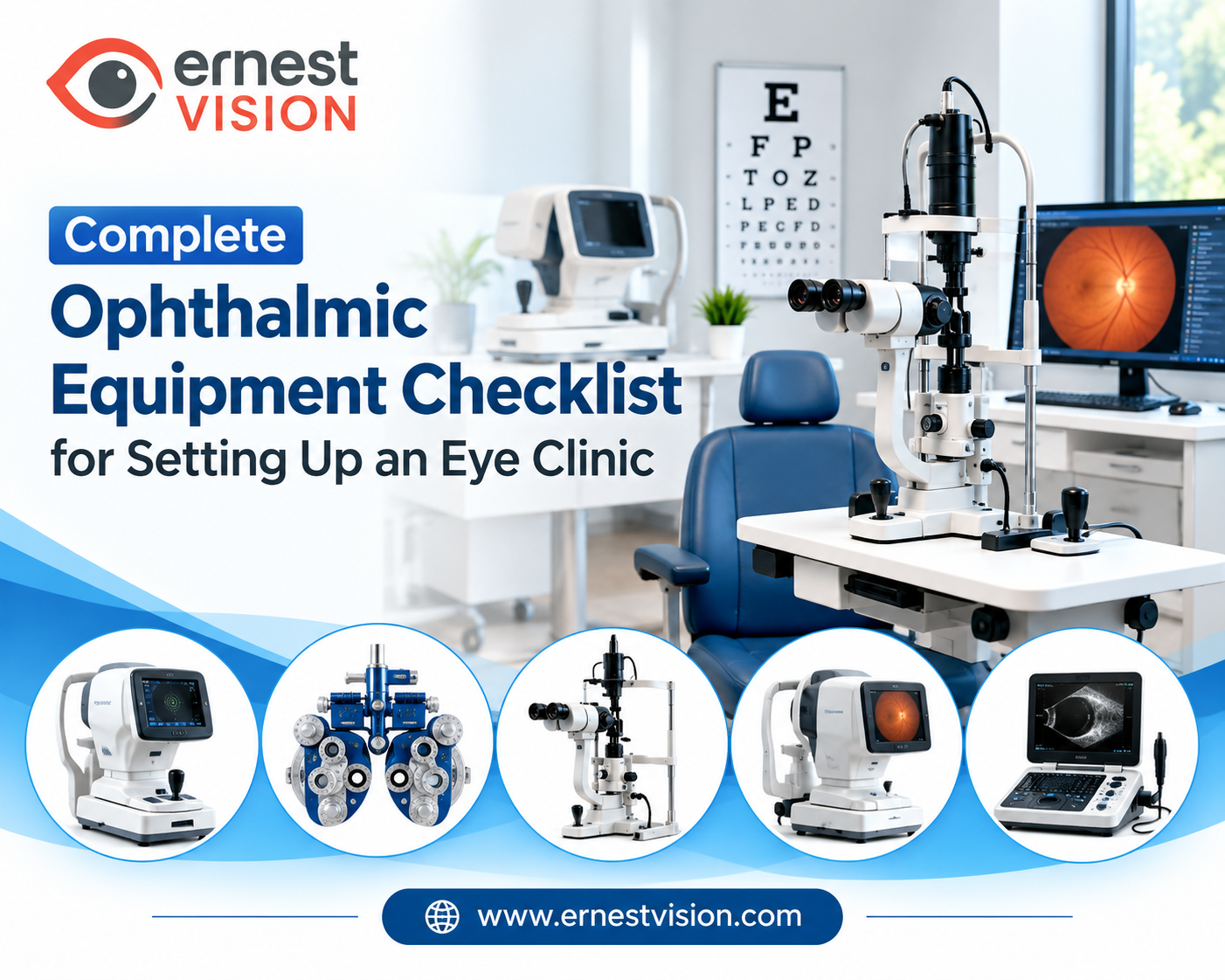
Planning a new eye clinic can feel simple at first, but choosing the right equipment needs careful thought. Whether an instrument is used to measure eye pressure, inspect the retina, check your vision, or assist with more in-depth diagnostic testing, it should all have a clear function. A practical ophthalmic equipment checklist can make this planning much easier and help avoid buying equipment that may not actually be needed. The equipment required will also depend on the type of clinic being opened. A small clinic that performs routine eye exams may begin with basic refraction and examination devices. A larger ophthalmology center may need additional equipment for glaucoma, retina, cornea, cataract evaluation, or eye surgery. Here is a simple breakdown of the main equipment to consider when setting up an eye clinic.
1. Start with Vision Testing and Refraction Equipment
Checking a patient's vision clarity is the first step in most eye exams. This makes vision testing and refraction instruments an important part of any eye clinic equipment list.
A basic refraction area may include:
- Visual acuity chart or digital vision chart
- Chart projector
- Trial lens set
- Trial frame
- Retinoscope
- Autorefractor
- Auto refractor-keratometer
- Phoropter or digital refractor
- Lensmeter
These instruments have different roles. A retinoscope can help assess refractive error, while an autorefractor provides automated measurements. Trial lenses or a phoropter can then be used to refine the prescription. A lensmeter is another useful device, especially when patients bring their existing spectacles and the clinic needs to check the lens power.
2. Slit Lamp for Routine Eye Examination
A slit lamp biomicroscope is a key examination instrument in an ophthalmology clinic. It gives the eye care professional a magnified and well-lit view of the eye. It can be used to examine areas such as the eyelids, conjunctiva, cornea, iris, and lens. With suitable lenses and examination methods, it can also assist with viewing deeper structures of the eye. When planning this area, think beyond the slit lamp itself. A comfortable patient chair, a suitable instrument table, and enough working space around the unit can make daily examinations much easier.
3. Tonometer for Measuring Eye Pressure
Eye pressure measurement is commonly included in ophthalmic examinations, particularly when glaucoma is being investigated or monitored.
- Applanation tonometer
- Non-contact tonometer
- Rebound tonometer
- Handheld tonometer
There is no single type that suits every clinic. The choice may depend on the number of patients seen each day, available space, examination methods and whether portability is important.
4. Equipment for Examining the Retina
A clinic should also be prepared to examine the retina and optic nerve. A direct ophthalmoscope is a small handheld instrument commonly used during eye examinations. A binocular indirect ophthalmoscope provides a wider view of the retina and can be particularly helpful when the peripheral retina needs to be assessed. Diagnostic lenses such as 20D, 78D and 90D lenses may also be required depending on how the ophthalmologist performs fundus examinations.
5. Fundus Camera for Retinal Photography
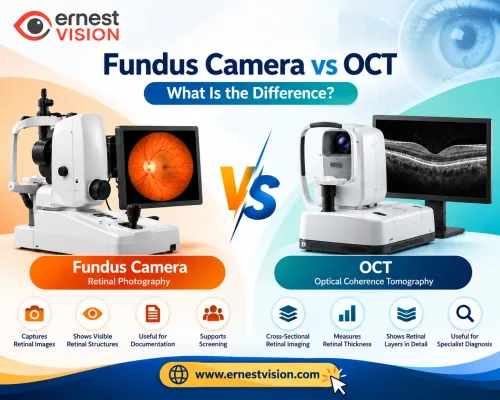
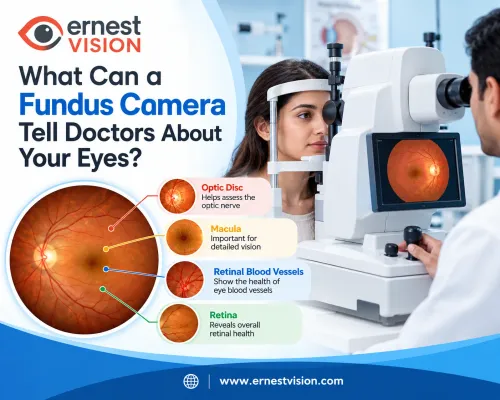
For clinics that want to record retinal images, a fundus camera can be a valuable addition. It takes photographs of the back of the eye, including the retina and optic disc. These images can help maintain visual records and make it easier to compare findings during future visits. Fundus cameras are available in several formats, including tabletop, handheld, portable, and non-mydriatic systems. A clinic seeing patients who require regular retinal or optic nerve assessment may find retinal photography particularly useful as part of its diagnostic workflow.
6. OCT and Visual Field Testing
Not every clinic needs advanced diagnostic equipment from the first day. However, clinics offering retina or glaucoma services may consider an OCT machine and visual field analyzer. OCT, or optical coherence tomography, produces detailed cross-sectional images of structures inside the eye. It is commonly used when examining the retina and optic nerve. A visual field analyzer checks how much of the surrounding area a person can see while looking straight ahead. Visual field testing is commonly used in glaucoma assessment and may also be helpful in evaluating certain neurological conditions. These devices usually become more relevant as the clinic expands its diagnostic services.
7. Equipment for Corneal Assessment
If the clinic plans to provide corneal, contact lens, or refractive services, some additional instruments may be useful.
These can include:
- Keratometer
- Corneal topographer
- Pachymeter
- Specular microscope
A keratometer measures the curvature of the cornea. Corneal topography provides a more detailed map of the corneal surface, while a pachymeter measures corneal thickness. A specular microscope is used to examine the corneal endothelial cells. Rather than purchasing all these devices automatically, clinics can select them according to the type of patients and services they expect to handle.
8. A-Scan, B-Scan, and Biometry Equipment
Cataract and surgical eye clinics often need measurements that go beyond a routine eye examination. An A-scan is used to measure the axial length of the eye. A B-scan ultrasound creates an image of structures inside the eye and can be useful when those structures cannot be viewed clearly through a regular examination. Clinics involved in cataract evaluation may also use an optical biometer to obtain measurements needed when planning an intraocular lens. The choice between these systems should be based on the clinic's cataract and surgical workflow.
9. Equipment for Eye Surgery and Procedures
If surgery will be performed at the facility, the equipment requirement changes considerably. Depending on the procedures planned, the ophthalmic equipment checklist may also include:
- Ophthalmic operating microscope
- Phacoemulsification system
- Vitrectomy system
- Ophthalmic laser systems
- Surgical instrument sets
- Sterilization equipment
- Autoclave
- Ultrasonic cleaner
- Operating table
- Surgeon stool
A surgical setup should be planned around the exact procedures being performed rather than purchasing a general collection of devices. Sterilization, infection-control requirements, instrument handling and facility standards also need to be considered when planning this area.
10. Do Not Forget Furniture and Supporting Equipment
Large diagnostic machines usually get the most attention, but smaller supporting items are equally important for the day-to-day functioning of a clinic. An eye clinic setup equipment plan may also include examination chairs, doctor stools, motorized instrument tables, storage cabinets, computers, printers, and suitable power backup. The clinic should also have appropriate storage for accessories and instruments, along with a system for cleaning, maintenance, and equipment records. These small details can make a noticeable difference once the clinic begins seeing patients regularly.
How Should a New Clinic Choose Ophthalmic Equipment?
It is not necessary to purchase every ophthalmic device at once. Start by deciding what the clinic will actually do. If the main services are routine eye examinations and refraction, begin with equipment needed for those services. If the clinic plans to manage glaucoma, retina, corneal, or cataract cases, more specialized diagnostic equipment can be added accordingly. Before selecting a device, look at practical factors such as available space, expected patient volume, ease of use, measurement requirements, installation, staff training, calibration, warranty and after-sales support. It is also useful to think about future requirements. Equipment that fits the current workflow while allowing the clinic to expand can sometimes be a more practical choice. A well-prepared ophthalmic equipment checklist is therefore not about buying the maximum number of machines. It is about choosing equipment that matches the work the clinic plans to perform.
Frequently Asked Questions
1. What equipment is needed to set up an eye clinic?
The equipment needed to set up an eye clinic usually starts with a visual acuity chart, trial lens set, retinoscope, autorefractor, slit lamp, tonometer and ophthalmoscope. Additional devices can be selected according to the diagnostic and treatment services offered by the clinic.
2. What is the essential ophthalmic equipment for a new clinic?
The essential ophthalmic equipment for a new clinic generally covers five basic areas: vision testing, refraction, slit-lamp examination, eye pressure measurement, and examination of the inside of the eye.
3. What equipment is required for a complete ophthalmology clinic?
A **complete ophthalmology clinic equipment list** can include refraction instruments, slit lamps, tonometers, retinal imaging systems, OCT, visual field analyzers, corneal diagnostic equipment and ultrasound or biometry devices. Surgical equipment may be added if procedures are performed at the facility.
###4. Is an OCT machine necessary for every eye clinic?**
No. An OCT machine is usually more relevant for clinics providing advanced retina, glaucoma or optic nerve assessment. A clinic offering mainly routine eye examinations may not need OCT when it first opens.
5. Which equipment is commonly used for glaucoma evaluation?
Common **glaucoma diagnostic equipment** can include a tonometer, slit lamp, gonioscopy lens, visual field analyzer, pachymeter and OCT. The instruments required depend on the type of examination being performed.
6. What equipment may be required in a cataract clinic?
A **cataract clinic equipment list** may include a slit lamp, tonometer, keratometer, A-scan or optical biometer and other examination instruments. Clinics performing cataract surgery will need a separate surgical and sterilization setup.
7. What should a clinic check before purchasing ophthalmic equipment?
Before buying equipment, check whether it matches the clinic's services and patient volume. Space requirements, specifications, installation, staff training, calibration, warranty, maintenance support and availability of accessories should also be considered.