
Choosing the right Ophthalmic equipment supplier is
one of the most important decisions for any eye hospital, ophthalmology clinic,
vision center, or medical distributor. High-quality ophthalmic equipment
not only improves diagnostic accuracy and surgical outcomes but also enhances
patient satisfaction and operational efficiency. Whether you are establishing a
new eye care facility or upgrading existing equipment, selecting a reliable
supplier can have a long-term impact on your success.
With hundreds of manufacturers and exporters available
worldwide, finding the right partner can be challenging. This guide explains
the essential factors to consider before choosing an ophthalmic equipment supplier, helping you make an informed investment while ensuring quality,
reliability, and excellent after-sales support.
Choosing an Ophthalmic Equipment Supplier That Supports Long-Term Succes
Selecting the right ophthalmic equipment supplier is
essential for hospitals and eye care professionals looking to invest in
reliable ophthalmic devices that deliver consistent performance,
long-term value, and improved clinical outcomes. Poor-quality equipment may
lead to inaccurate results, frequent breakdowns, expensive repairs, and
interruptions in patient care. A trusted ophthalmic equipment supplier offers
reliable products, technical expertise, and long-term support that help
healthcare providers maintain high clinical standards.
The right supplier should understand the unique requirements
of eye hospitals, clinics, optical centers, and distributors while providing
solutions that meet international quality standards.
Understand Your Equipment Requirements
Before contacting an ophthalmic equipment supplier,
identify the specific equipment your facility requires. Different healthcare
organizations have different needs depending on the services they provide.
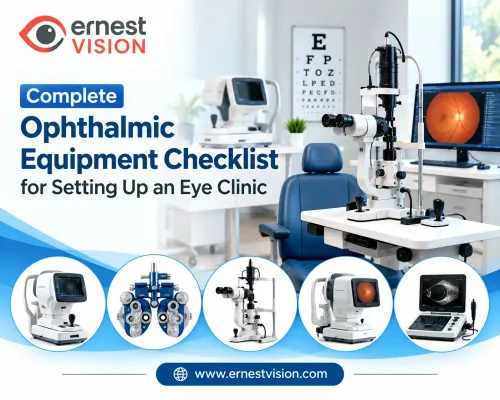
Common ophthalmic equipment includes:
- Slit Lamps
- Fundus Cameras
- Tonometers
- Operating Microscopes
- Trial Lens Sets
- Refraction Units
- Ophthalmic Surgical Instruments
Creating a clear list of required eye hospital equipment allows you to compare suppliers more effectively and choose products that match
your budget and clinical goals.
Check Product Quality and Certifications
Quality should always be your highest priority. A
professional ophthalmic equipment supplier should provide products
manufactured under strict quality management systems.
Before purchasing, verify whether the supplier offers:
- ISO-certified
manufacturing processes
- CE-certified
products where applicable
- Product
testing and quality inspections
- Proper
calibration before shipment
- Durable
materials and reliable performance
Quality-certified eye diagnostic equipment is more accurate,
costs less to maintain, and gives patients more faith in the doctor.
Evaluate the Supplier's Product Range
Working with a supplier that offers a comprehensive
portfolio saves time and simplifies future purchases.
A reliable ophthalmic equipment supplier should
provide:
- Diagnostic
ophthalmic equipment
- Ophthalmic
surgical instruments
- Eye
examination equipment
- Vision
screening devices
- Refraction
equipment
- Operating
room accessories
- Spare
parts and consumables
Choosing a supplier with a broad product range allows
hospitals and distributors to source multiple products from one trusted partner
instead of dealing with several vendors.
Look for Industry Experience
Experience is another important factor when selecting an ophthalmic device supplier. Companies with years of experience understand
international healthcare requirements, customer expectations, and product
performance.
Ask questions such as:
- How long has the supplier been serving
the ophthalmic equipment industry?
- What
countries do they sell their goods to?
- Have
they supplied hospitals or government institutions?
- Can
they provide references or customer testimonials?
Experienced ophthalmic equipment exporters are
generally better prepared to handle international orders, technical
documentation, and customer support.
Verify Global Export Capabilities
If you are purchasing internationally, ensure your ophthalmic equipment exporter has experience handling overseas shipments.
A professional exporter should provide:
- Export
documentation
- Secure
international packaging
- Worldwide
shipping support
- Commercial
invoices and packing lists
- Timely
delivery schedules
- Customs
documentation assistance
Reliable export capabilities reduce delays and help your
equipment reach its destination safely.
Compare Pricing Without Compromising Quality
Choosing the least expensive option may reduce your upfront
investment, but dependable ophthalmic equipment often delivers greater value
through better accuracy, durability, and lower maintenance expenses over time.
The cheapest ophthalmic equipment may result in
higher maintenance expenses, lower durability, and reduced performance over
time. Instead of focusing only on purchase price, evaluate the total value
offered by the supplier.
Consider:
- Product
lifespan
- Warranty
coverage
- Maintenance
requirements
- Availability
of spare parts
- Technical
support
- Product
reliability
A slightly higher investment in quality equipment often
delivers better long-term value.
Evaluate After-Sales Service
Excellent after-sales service distinguishes a professional ophthalmic equipment supplier from an average one.
Before purchasing, ask whether the supplier provides:
- Product
installation guidance
- User
training
- Technical
support
- Warranty
services
- Spare
parts availability
- Preventive
maintenance assistance
Fast and responsive after-sales support minimizes equipment
downtime and ensures uninterrupted patient care.
Read Customer Reviews and Testimonials
Customer feedback can give valuable insight into a
supplier's dependability and service quality.
Look for:
- Verified
customer reviews
- Hospital
case studies
- Distributor
testimonials
- Repeat
international buyers
- Long-term
customer relationships
Positive reviews indicate that the ophthalmic equipment
supplier consistently delivers quality products and dependable service.
Questions to Ask Before Selecting an Ophthalmic Equipment
Supplier
Before making a purchase, prepare a list of important
questions.
For example:
- What
certifications do your products have?
- Do you
provide product warranties?
- Can
you supply installation guidance?
- Are
spare parts readily available?
- Do you
export worldwide?
- What
is the average delivery time?
- Do you
offer technical support after purchase?
- Can
you provide product brochures and specifications?
These questions help compare suppliers objectively and
reduce purchasing risks.
Common Mistakes Buyers Should Avoid
Many buyers focus only on pricing and overlook other
important factors.
Avoid these common mistakes:
- Selecting sellers based only on lowest
price
- Ignoring
product certifications
- Not
checking warranty policies
- Overlooking
after-sales support
- Purchasing
from suppliers with limited product ranges
- Failing
to verify export experience
- Ignoring
customer reviews
Avoiding these mistakes helps ensure a successful investment
in ophthalmic equipment.
Why Many Buyers Source Ophthalmic Equipment from India
India has become one of the leading destinations for
sourcing high-quality ophthalmic equipment and medical devices. Indian
suppliers offer a combination of competitive pricing, advanced manufacturing
capabilities, skilled engineering, and reliable export services.
Many hospitals, distributors, and healthcare organizations
choose ophthalmic equipment exporters from India because they can access
a wide range of diagnostic and surgical products while maintaining cost
efficiency and international quality standards.
Why Choose Ernest Vision?
At Ernest Vision, we supply high-quality
ophthalmic equipment, ophthalmic diagnostic equipment, and ophthalmic
surgical instruments to healthcare professionals worldwide.
Our product portfolio includes equipment for eye hospitals,
ophthalmology clinics, optical centers, distributors, and medical institutions.
We focus on product quality, reliable customer service, competitive pricing,
and efficient global export support to help our customers source dependable
ophthalmic solutions from a single trusted partner.
Whether you are looking for diagnostic devices, surgical
equipment, or complete eye hospital solutions, our team is ready to assist you
with product selection and international supply requirements.
Conclusion
Choosing the right ophthalmic equipment supplier
requires more than comparing prices. Healthcare providers should carefully
evaluate product quality, certifications, product range, industry experience,
export capabilities, warranty, and after-sales service before making a
purchasing decision.
A trusted supplier helps improve operational efficiency,
supports accurate diagnosis, and ensures reliable long-term performance. By
partnering with an experienced ophthalmic equipment supplier, hospitals,
clinics, and distributors can invest with confidence and deliver better eye
care to patients.
If you are searching for a reliable partner for ophthalmic
equipment, eye hospital equipment, or ophthalmic diagnostic
equipment, Ernest Vision offers comprehensive solutions backed by quality
products, professional support, and worldwide export expertise.
Frequently Asked Questions
1. What is an ophthalmic equipment supplier?
An ophthalmic equipment supplier provides diagnostic, surgical, and examination
equipment used by eye hospitals, clinics, and ophthalmologists.
2. What certifications should ophthalmic equipment have?
Look for products manufactured under recognized quality management systems and
certifications such as ISO and, where applicable, CE compliance.
3. What equipment is essential for an eye hospital?
Common equipment includes slit lamps, fundus cameras, autorefractometers,
tonometers, OCT systems, operating microscopes, and ophthalmic surgical
instruments.
4. Why is after-sales support important?
Effective after-sales service ensures timely technical assistance, warranty support,
spare parts availability, and reduced equipment downtime.
5. Can ophthalmic equipment be exported internationally?
Yes. Experienced ophthalmic equipment exporters provide international
shipping, documentation, and customer support for hospitals and distributors
worldwide.
Contact Ernest Vision
A Group Company of Ernest Pharmaceutical Pvt. Ltd.
Official Websites🌐 www.ernestvision.com
🌐 www.ernestpharmaceuticals.com
🌐 www.ernestimpex.com
🌐 www.oncologymedicinesupplier.com
Corporate Email
📧 exports@ernestpharmaceuticals.com
📱 +91 94054 76170
Chat with Us on WhatsApp
💬 https://wa.me/message/V2MEXZ6ZAYY5B1