
Overview
Dry Eye Disease (DED) is a common ocular surface disorder that affects millions of people worldwide. It occurs when the eyes do not produce enough tears or when tears evaporate too quickly, leading to discomfort, blurred vision, and inflammation. Early diagnosis and appropriate treatment are essential to improve patient comfort and protect the ocular surface.
Patient Background
A 42-year-old female office professional presented with persistent eye irritation, burning sensation, intermittent blurred vision, and excessive tearing after prolonged computer use. She reported spending more than 8 hours daily on digital devices and occasionally wore soft contact lenses.
Clinical Symptoms
The patient experienced:
- Dryness and foreign body sensation
- Burning and stinging eyes
- Redness
- Fluctuating vision
- Eye fatigue
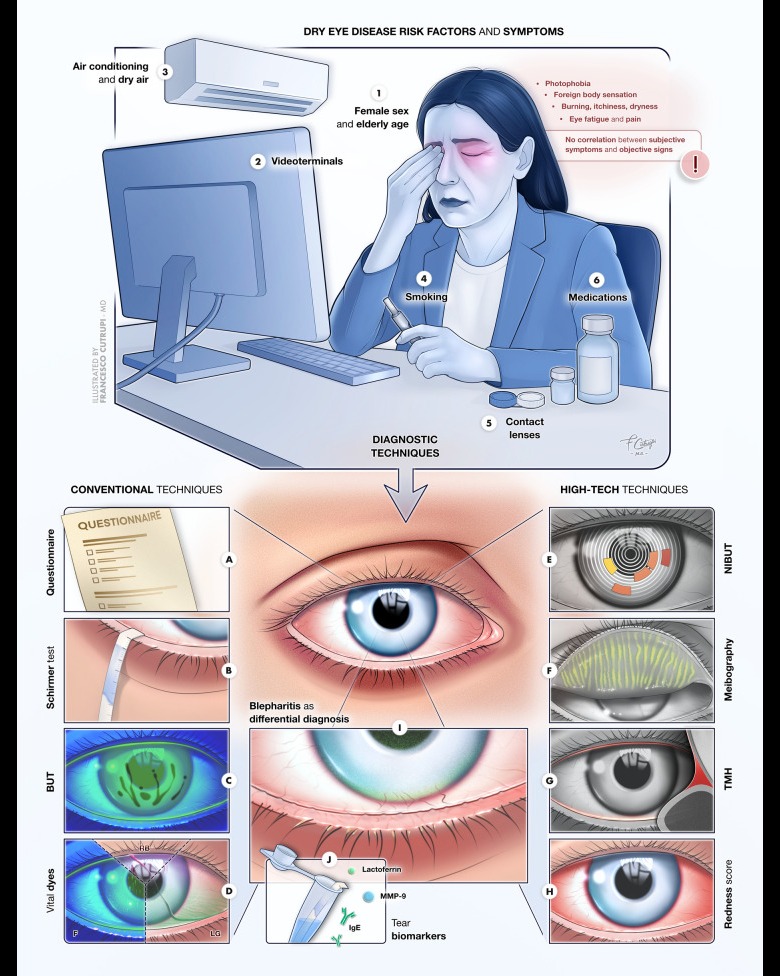
- Increased discomfort in air-conditioned environments
Diagnostic Evaluation
A comprehensive ocular surface assessment included:
- Visual Acuity Examination
- Slit Lamp Biomicroscopy
- Tear Break-Up Time (TBUT)
- Schirmer's Test
- Fluorescein Corneal Staining
- Meibomian Gland Assessment
- Non-Invasive Tear Film Analysis
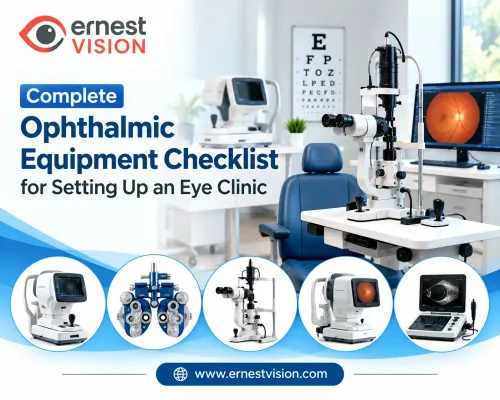
Diagnostic Equipment Used
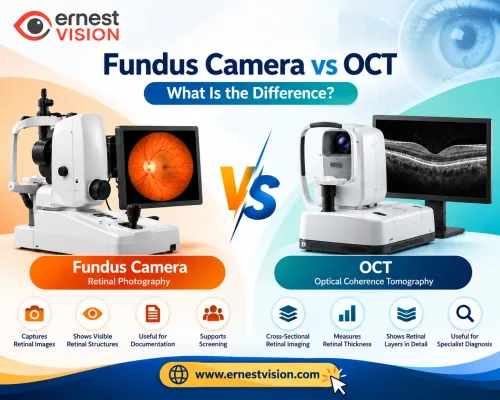
- Slit Lamp Biomicroscope
- Dry Eye Analyzer
- Keratograph with Tear Film Analysis
- Meibography System
- Digital Imaging System
Clinical Findings
The examination revealed:
- Reduced tear film stability (TBUT: 6 seconds)
- Mild meibomian gland dysfunction (MGD)
- Mild punctate corneal epithelial staining
- Reduced tear volume on Schirmer's Test
- Incomplete blinking associated with prolonged screen exposure
Diagnosis
The patient was diagnosed with Evaporative Dry Eye Disease associated with Mild Meibomian Gland Dysfunction (MGD).
Treatment Plan
The ophthalmologist recommended:
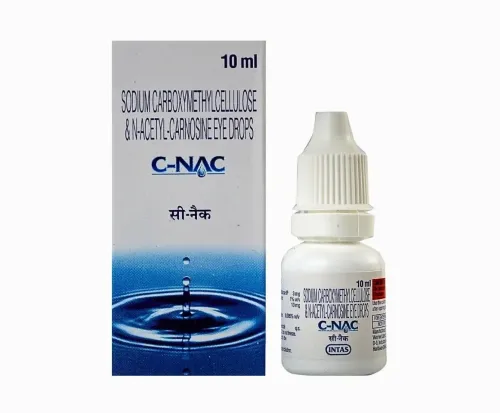
- Preservative-free lubricating eye drops
- Warm compress therapy twice daily
- Eyelid hygiene and gland massage
- Regular blinking exercises during screen use
- Limiting continuous digital screen exposure
- Adequate hydration
- Scheduled follow-up after six weeks
Follow-Up Results
At the six-week review:
- Burning sensation significantly reduced
- Tear film stability improved
- Corneal staining decreased
- Visual comfort improved during computer work
- Patient reported better overall quality of life
Clinical Significance
Dry Eye Disease is frequently underdiagnosed because symptoms vary widely. Comprehensive ocular surface evaluation using modern ophthalmic diagnostic equipment allows clinicians to identify the underlying cause and provide targeted treatment before chronic inflammation develops.
Key Learning Points
- Early diagnosis helps prevent progression of Dry Eye Disease.
- Meibomian gland assessment is essential in evaporative dry eye.
- Tear film analysis improves diagnostic accuracy.
- Lifestyle modifications play an important role in long-term management.
- Regular follow-up supports sustained symptom control and ocular surface health.
Conclusion
Dry Eye Disease is a manageable condition when diagnosed early through a structured ocular surface examination. Combining advanced diagnostic technology with personalized treatment strategies can significantly improve patient comfort, visual performance, and long-term eye health. Modern ophthalmic diagnostic equipment enables eye care professionals to deliver accurate diagnosis and effective management for patients with Dry Eye Disease.
Contact Ernest Vision
(A Group of Ernest Pharmaceutical Pvt. Ltd.)
🌐 Official Websites
📧 Corporate Email :exports@ernestpharmaceuticals.com
📲 WhatsApp :+91 94054 76170 | Ernest Vision
Direct WhatsApp Chat: https://wa.me/message/V2MEXZ6ZAYY5B1