
Overview
Diabetic retinopathy (DR) is one of the leading causes of preventable vision loss among adults. Early diagnosis through routine retinal screening can significantly reduce the risk of permanent blindness. This case study demonstrates how a structured eye screening program helped identify diabetic retinal changes before severe vision impairment occurred.
Patient Background
A 56-year-old male with a 12-year history of Type 2 diabetes visited a community eye screening camp. Although he reported no major vision complaints, he had not undergone a comprehensive retinal examination for more than three years.
Clinical Findings
Initial examination included:
- Visual acuity assessment
- Intraocular pressure measurement
- Slit lamp examination
- Dilated retinal evaluation
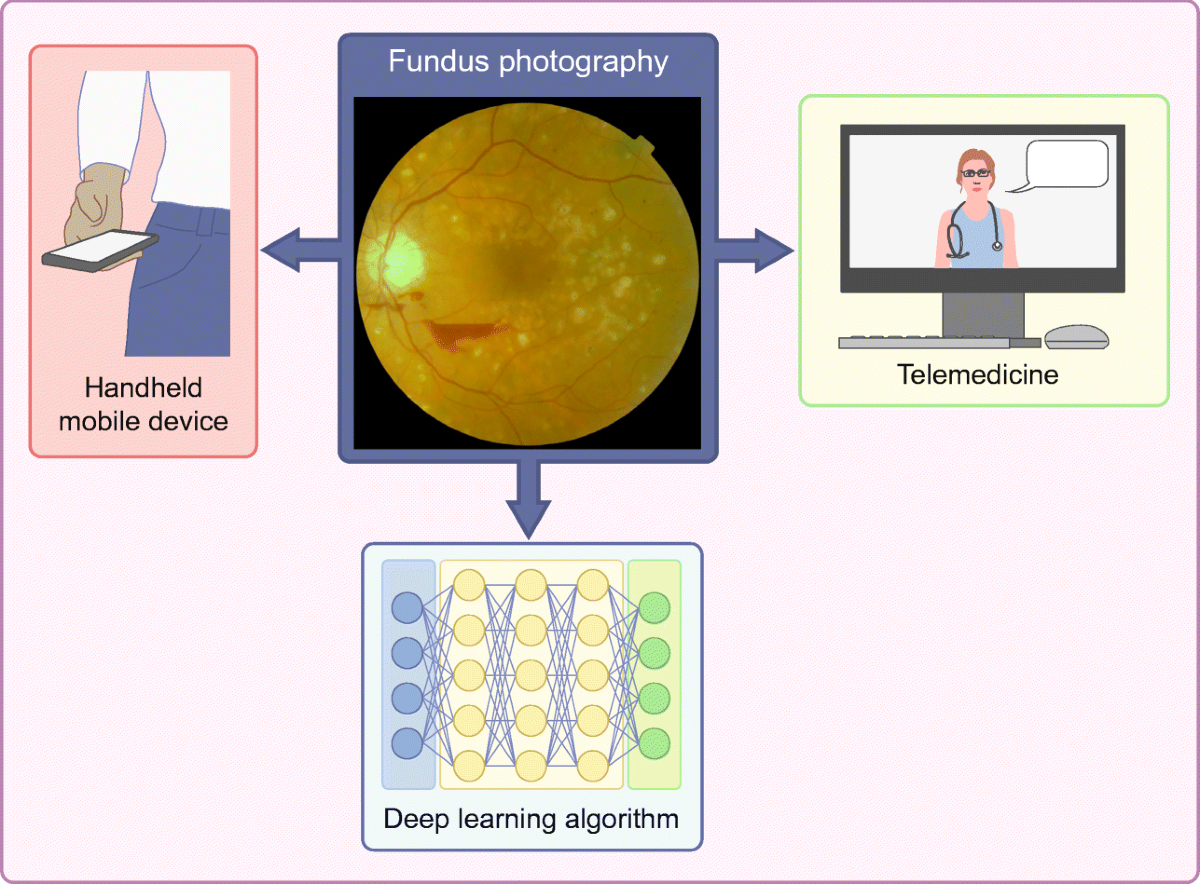
- Digital fundus photography
Retinal imaging revealed:
- Multiple microaneurysms
- Dot and blot hemorrhages
- Mild macular edema
- Early non-proliferative diabetic retinopathy (NPDR)
Diagnostic Equipment Used
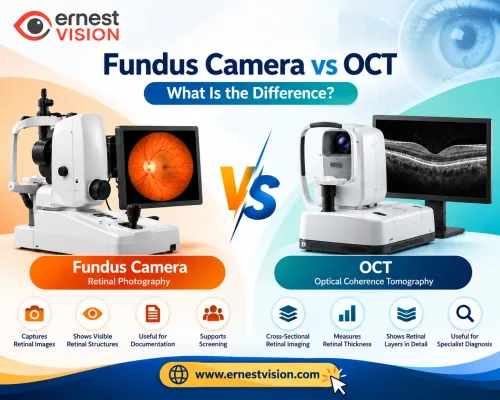
- Digital Fundus Camera
- Slit Lamp Biomicroscope
- Non-Contact Tonometer
- Optical Coherence Tomography (OCT)
- Auto Refractometer
Clinical Assessment
The patient was diagnosed with Early Non-Proliferative Diabetic Retinopathy (NPDR). Since the disease was detected at an early stage, immediate vision-threatening complications had not yet developed.
Treatment and Management
The ophthalmology team recommended:
- Improved blood sugar control
- Blood pressure management
- Regular retinal monitoring
- OCT follow-up every six months
- Lifestyle modifications including diet and exercise
No surgical intervention was required during the initial assessment.
Outcome
After six months of follow-up:
- Disease progression remained stable.
- Visual acuity was preserved.
- No significant increase in macular edema was observed.
- The patient remained compliant with regular ophthalmic examinations.
Clinical Significance
This case highlights the importance of routine diabetic eye screening. Many patients with early diabetic retinopathy remain asymptomatic, making periodic retinal examinations essential for timely diagnosis and intervention.
Key Learning Points
- Diabetic Retinopathy may progress without noticeable symptoms.
- Regular retinal imaging supports early diagnosis.
- OCT and fundus photography improve clinical decision-making.
- Early intervention helps reduce the risk of vision loss.
- Community eye screening programs can identify high-risk patients before complications occur.
Conclusion
Comprehensive retinal screening using modern ophthalmic diagnostic equipment enables early detection of diabetic eye disease, allowing clinicians to initiate timely management and preserve long-term vision. Hospitals, eye clinics, and community screening programs should prioritize regular retinal evaluations for individuals with diabetes to improve patient outcomes and reduce preventable blindness.
Contact Ernest Vision
(A Group of Ernest Pharmaceutical Pvt. Ltd.)
🌐 Official Websites
📧 Corporate Email: exports@ernestpharmaceuticals.com
📲 WhatsApp: +91 94054 76170 | Ernest Vision
Direct WhatsApp Chat: https://wa.me/message/V2MEXZ6ZAYY5B1