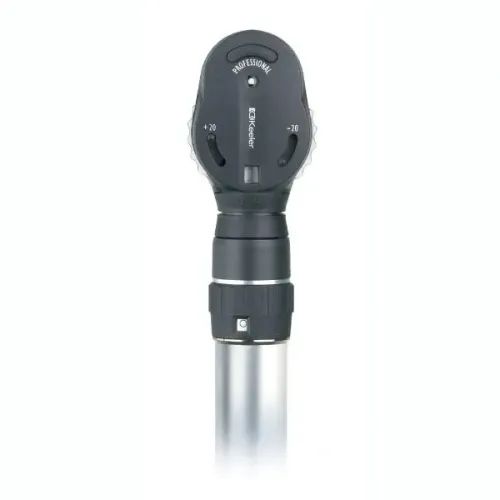

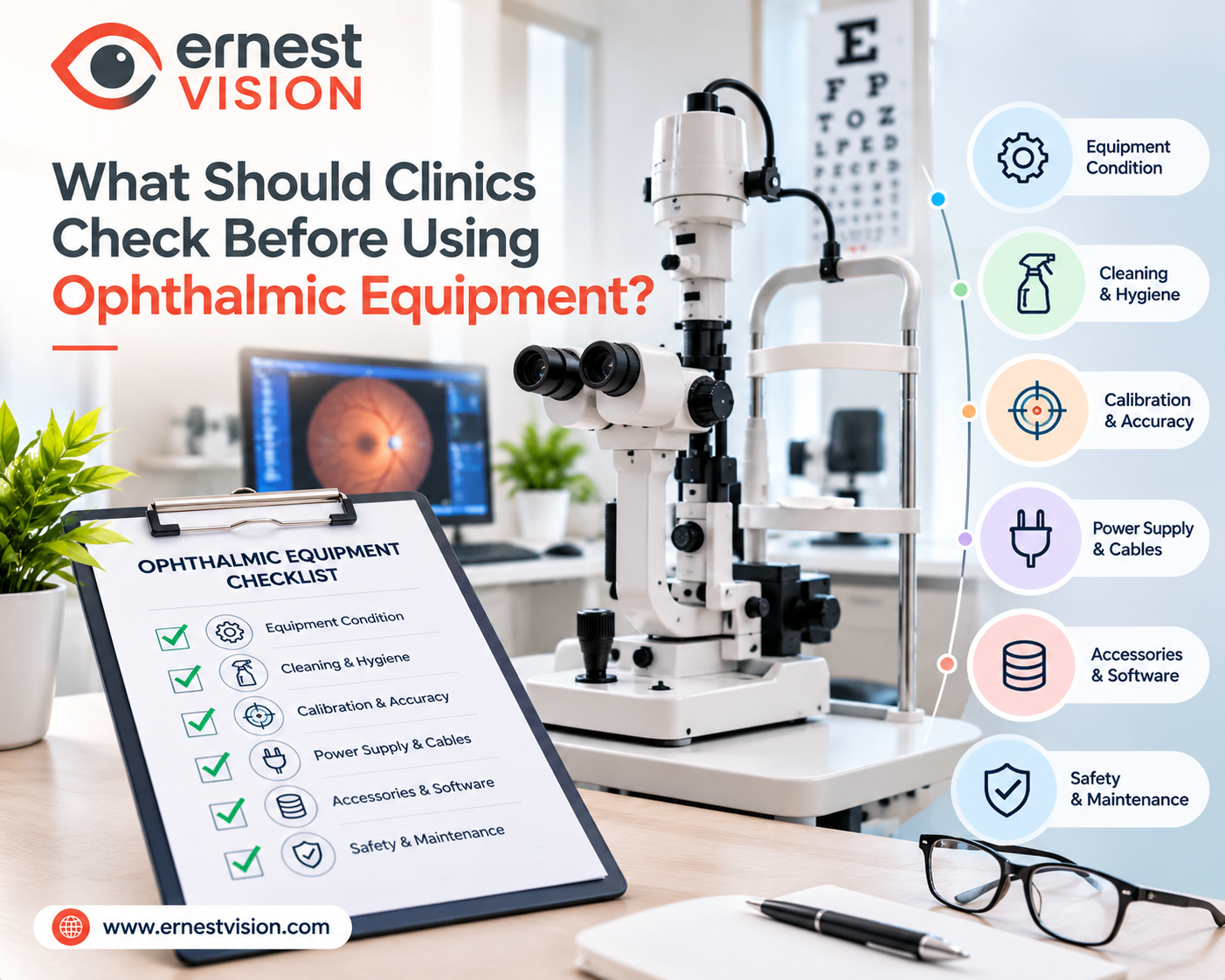
Every eye clinic depends on equipment for routine examinations, measurements, imaging, and other clinical procedures. From slit lamps and tonometers to autorefractors, keratometers, and fundus cameras, ophthalmic equipment is used throughout the working day. Before using any device on a patient, however, a few basic checks are important. Cleanliness, equipment condition, calibration, and correct operation can all affect how smoothly an eye examination is performed.
A simple ophthalmic equipment checklist can help clinic staff identify potential problems early and keep equipment ready for daily use.
1. Check the Overall Condition of the Equipment
Before switching on any eye clinic equipment, take a few moments to inspect its physical condition. Look for cracked parts, loose components, damaged cables, worn switches, or anything that appears different from normal. Moving parts should operate smoothly, while adjustable components should remain stable when positioned. If there is visible damage or the equipment is behaving unusually, inspect it before using it. This simple visual inspection can become part of the clinic's daily routine.
2. Make Sure the Equipment Is Properly Cleaned
Cleaning is especially important for ophthalmic instruments because many devices are used close to a patient's eyes, face, or skin.
Frequently touched areas may include:
- Chin rests
- Forehead rests
- Handles and controls
- Patient positioning areas
- Reusable patient-contact components
Proper ophthalmic equipment cleaning should always follow the manufacturer's instructions. Not every cleaning solution is suitable for every device. Strong or incompatible chemicals may damage plastic parts, optical coatings, or other sensitive surfaces. Patient-contact components may also require specific cleaning, disinfection or sterilization procedures depending on their intended use.
3. Inspect Patient-Contact Components
Some ophthalmic devices include parts that directly touch the patient. These areas require particular attention between uses. For example, certain tonometers have reusable components that may come into contact with the eye. Staff should ensure that these components have been properly reprocessed according to the manufacturer's current instructions before they are used again. The same cleaning method should not automatically be used for every device because materials and designs can differ.
4. Check Calibration and Measurement Performance
Many types of ophthalmic diagnostic equipment provide measurements that clinicians use during eye examinations. Depending on the device, this may include measurements related to eye pressure, refraction, corneal curvature, axial length, or other parameters. Before beginning examinations, check whether the device completes its normal startup or self-test successfully. If the manufacturer requires routine ophthalmic equipment calibration, please ensure it is up to date. Repeated errors, unexpected measurements, or unusual variations should be investigated rather than ignored.
5. Examine Lenses and Optical Surfaces
Clear optical surfaces are important for many types of eye examination equipment.
Check accessible lenses, mirrors, viewing windows and imaging surfaces for visible:
- Dust
- Fingerprints
- Marks
- Moisture
- Scratches
Use only recommended materials when cleaning optical components. Ordinary tissue, rough cloth, or unsuitable cleaning liquids may damage sensitive surfaces. If an imIf an image suddenly looks unclear, checking the optical surfaces can be a useful first step. Check the Power Supply and Electrical Connections Before using electrical eye testing equipment, inspect the power connection. Make sure cables are properly connected and do not show obvious cuts, exposed wires, or damage. After switching on the device, check for unusual warning messages, sounds, flickering displays, or unexpected shutdowns. Portable ophthalmic devices should also have sufficient battery power before patient examinations begin. Clinics that use a UPS or other power protection system should include it in their routine checks where appropriate.
7. Make Sure Required Accessories Are Available
Sometimes a device is working perfectly but cannot be used because an important accessory is missing. Depending on the equipment, accessories may include compatible lenses, probes, cables, footswitches, chin-rest paper, printer paper or disposable components. Checking these items before appointments begin can help reduce unnecessary interruptions. For busy clinics, adding accessories to an eye clinic equipment checklist can make daily preparation easier.
8. Check Software and Image Quality
Many modern ophthalmic devices use digital software to capture, display or store examination information. Before the first patient, confirm that the system starts correctly and that important functions are accessible. For imaging equipment, check whether images appear clear and are being saved correctly. Repeated software errors, poor-quality images or unexplained changes in output may indicate that the system requires further attention.
9. Keep Track of Preventive Maintenance
Ophthalmic equipment maintenance should not begin only after a device stops working. Preventive maintenance can help clinics identify wear, calibration issues and other technical problems before they cause unexpected downtime.
A basic maintenance record may include:
- Equipment name and model
- Serial or asset number
- Installation date
- Last service date
- Calibration date
- Previous repairs
- Reported faults
- Next scheduled service
Following the manufacturer's recommended maintenance schedule can help keep ophthalmology clinic equipment in appropriate working condition.
10. Make Sure Staff Are Properly Trained
Even advanced eye care equipment depends on correct operation. Staff members should understand how to position patients, operate the device, perform routine checks, follow cleaning procedures and report problems. Training becomes particularly important when new equipment is installed or when the clinic changes to a different model. The manufacturer's user manual should also remain accessible whenever staff need to check operating or maintenance instructions.
Quick Ophthalmic Equipment Checklist Before Use
Before starting patient examinations, staff can quickly check:
✓ Is the equipment clean?
✓ Are patient-contact parts properly reprocessed?
✓ Is there any visible damage?
✓ Are cables and connections secure?
✓ Does the equipment start normally?
✓ Are lenses and optical surfaces clear?
✓ Is required calibration up to date?
✓ Are readings and images appearing normally?
✓ Are necessary accessories available?
✓ Is maintenance or servicing due?
✓ Does the operator know how to report a fault?
Frequently Asked Questions
1. What should clinics verify before using ophthalmic equipment?
Clinics should check cleanliness, physical condition, cables, accessories, power supply, normal startup and any required calibration before using equipment.
2. What is an ophthalmic equipment checklist?
An ophthalmic equipment checklist is a simple list of routine checks used to confirm that equipment appears clean, functional and ready for use.
3. How often should ophthalmic equipment be checked?
Basic visual and operational checks can be performed before use. Maintenance and calibration schedules should follow the manufacturer's recommendations.
4. Why is ophthalmic equipment maintenance important?
Regular ophthalmic equipment maintenance can help identify wear, technical issues and servicing requirements before they lead to unexpected equipment downtime.
5. How should ophthalmic equipment be cleaned?
Ophthalmic equipment cleaning should be carried out according to the manufacturer's instructions using compatible cleaning or disinfecting products.
6. Which ophthalmic equipment requires calibration?
Calibration requirements vary by model. Tonometers, autorefractors, keratometers, biometers and other measuring devices may require periodic calibration or performance checks.
7. What equipment is commonly used in an eye clinic?
Common **eye clinic equipment** may include slit lamps, tonometers, autorefractors, keratometers, fundus cameras, biometers and other diagnostic or examination devices.
8. What should staff do if an ophthalmic device gives unusual readings?
The device should be checked according to its operating instructions. Repeated errors or unusual measurements should be reported for appropriate technical assessment.
9. Why should eye clinics maintain equipment service records?
Service records help clinics track maintenance, calibration, repairs, faults and upcoming service requirements.
10. Can all ophthalmic devices be cleaned in the same way?
No. Cleaning requirements vary according to the device, materials and patient-contact components. Clinics should follow the instructions provided for each specific device.